When A/C Is Not Enough
When a home cannot stay cool, it is easy to assume that air conditioning is the only problem.
But that is not always the case.
The A/C is part of a broader system, and factors such as the roof, insulation, sun exposure, and the overall condition of the home can also affect indoor temperatures.
That is why, when the unit seems to run constantly and the house still feels hot, it is worth looking beyond the thermostat.
Heat may be entering through other areas
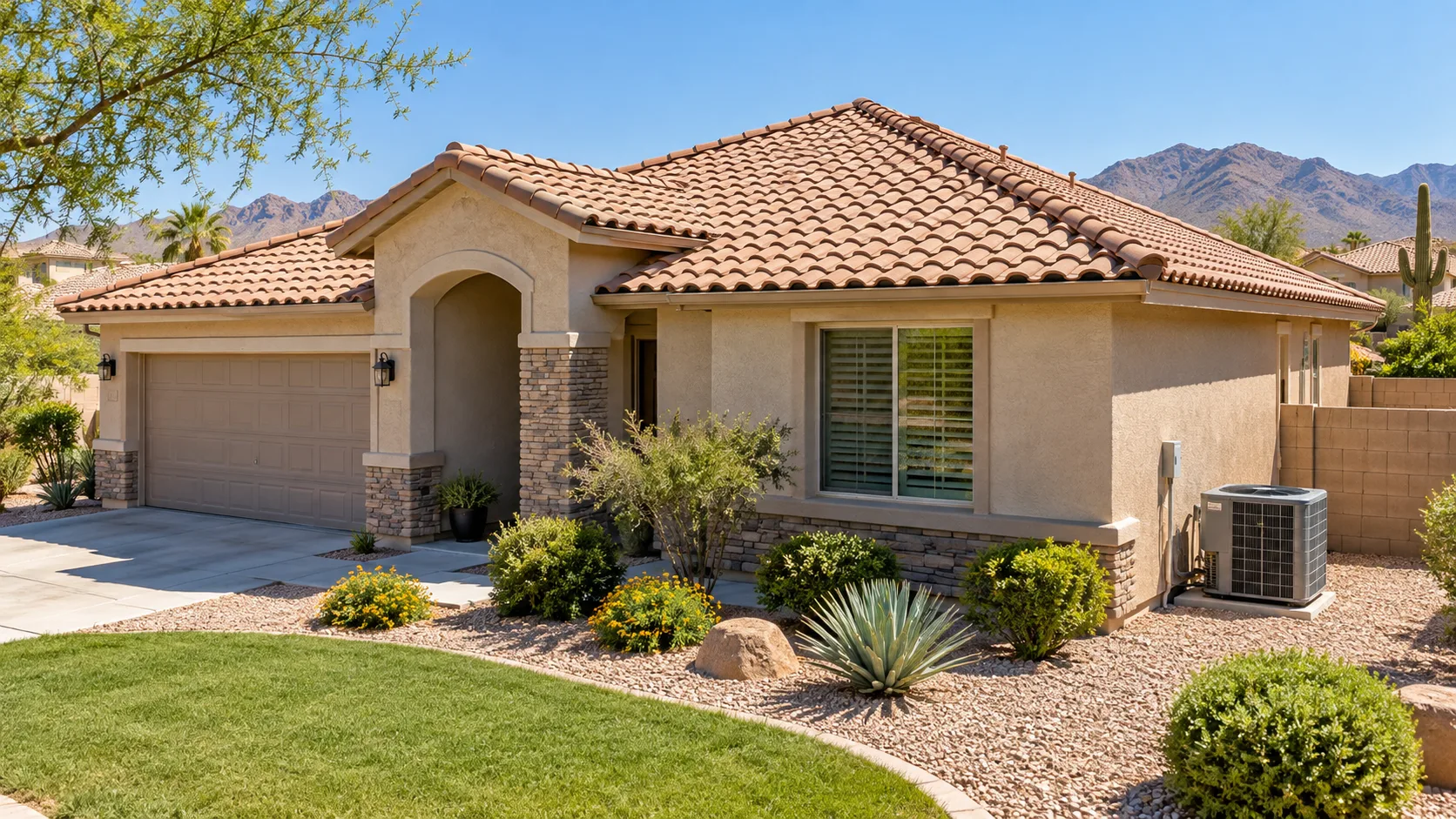
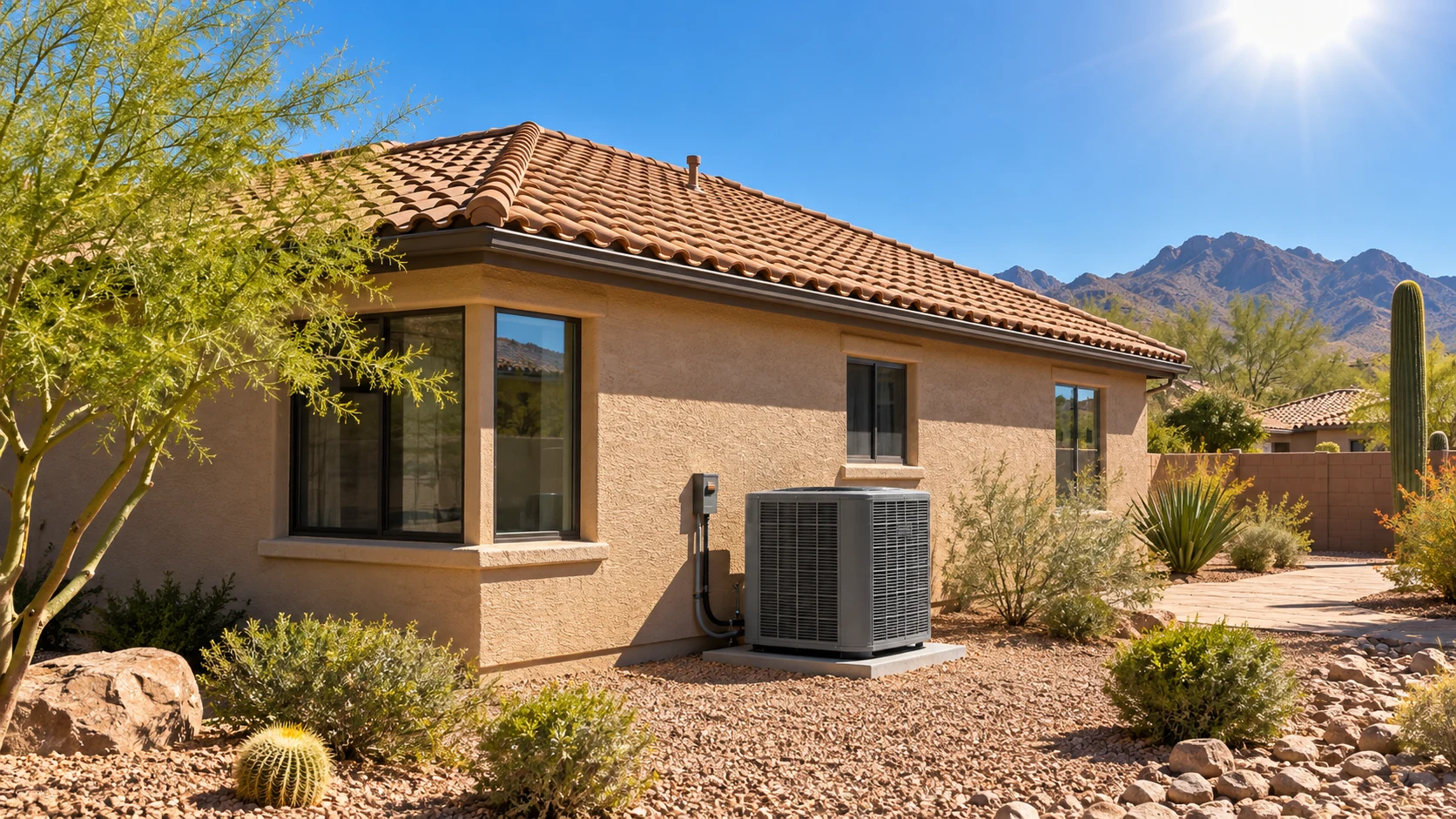
In Arizona, roofs receive intense sun exposure for much of the year.
Their condition, materials, and ability to protect the home can affect how much heat reaches the interior.
If some areas have deteriorated or components are no longer working as they should, the A/C may have to work harder to maintain a comfortable temperature.
Not every room behaves the same way
Sometimes, a home may feel cool in certain areas and much warmer in others.
Orientation, windows, layout, sun exposure, and roof characteristics can create significant differences between spaces.
That is why a warmer room does not always mean the A/C system is failing.
It may also be a sign that other factors are at play.
An A/C that works too hard may be telling you something
If the system stays on for long periods, takes too long to reach the desired temperature, or seems to run without a break, it is worth investigating what is happening.
The problem may be with the equipment.
But a combination of factors around the home may also be increasing demand.
Looking at the full picture helps clarify what needs attention.
The roof contributes to indoor comfort
Although we usually associate it with protection from rain, wind, or external damage, the roof also plays a role in how a home responds to heat.
Its condition can affect heat transfer into the interior and, as a result, how hard the air conditioner needs to work.
That is why it makes sense to consider both elements when thinking about improving a home's comfort.
Before replacing, take a closer look
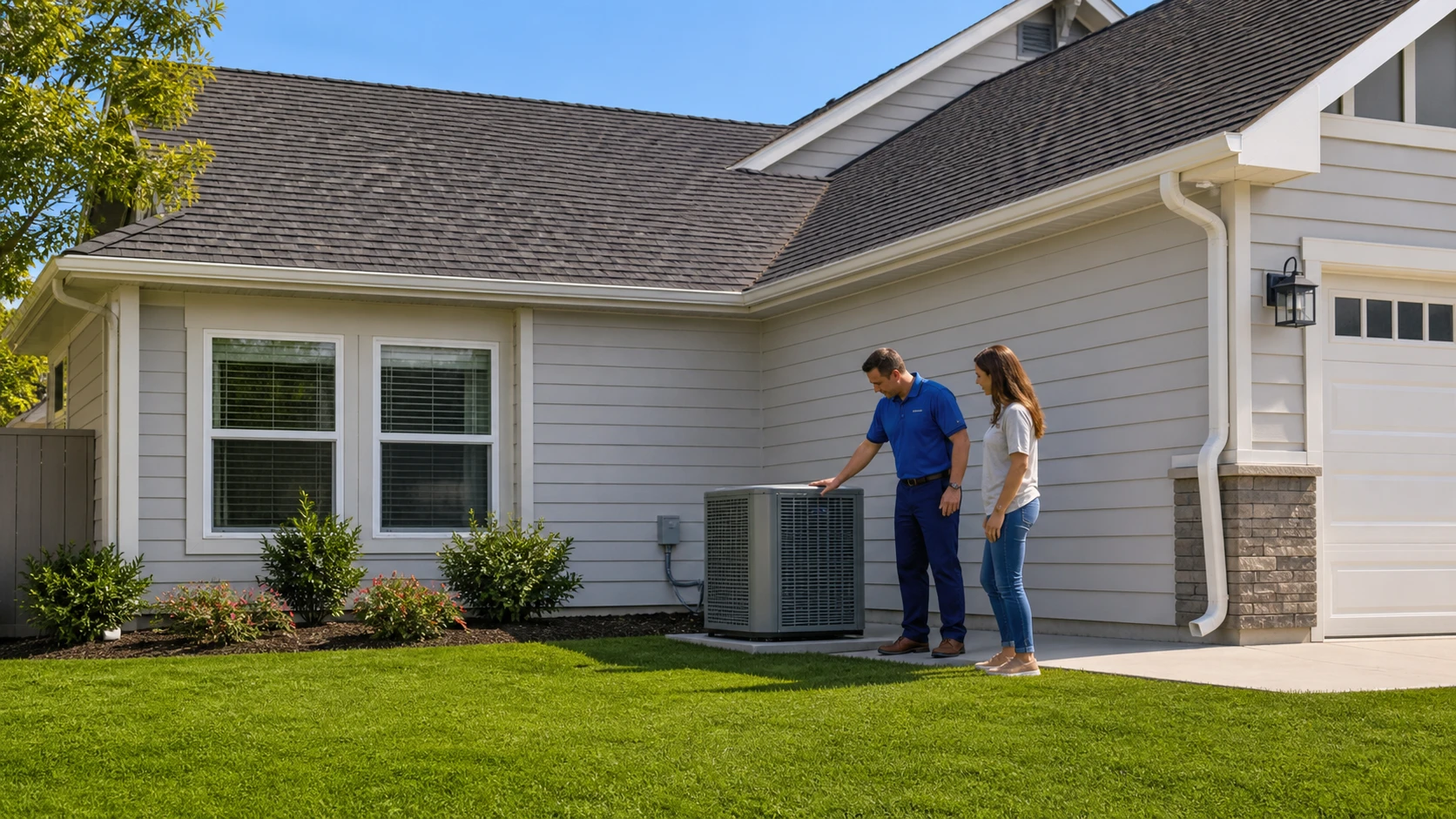
Replacing an A/C system may be necessary when the equipment is no longer working properly.
But before assuming that is the only solution, it is worth assessing other important aspects of the property:
- Overall condition of the roof.
- Areas with greater sun exposure.
- Temperature differences between rooms.
- How long the A/C stays on.
- Condition of insulation and seals.
- Age and performance of the equipment.
This assessment helps identify where the problem may actually lie.
Every home needs a different approach
There is no single solution for every property.
One home may need attention to its air conditioning system.
Another may need roof improvements.
And in some cases, both may need to be assessed.
The best decision starts with understanding how the home actually behaves.
Conclusion
When the A/C does not seem to be enough, the answer may lie in more than one place.
The roof, exposure to heat, and the overall condition of the property can also affect how the interior of the home feels.
Understanding what is happening before replacing or repairing can help you make a better decision for your home.