Make your home feel new without starting from scratch
When we think about remodeling a home, we often picture a complete transformation.
But you don't always need to change everything.
Sometimes, a series of thoughtful improvements can transform how a space feels, how you use it, and how much you enjoy it.
The key is to identify what really needs attention.
Not every space needs a full remodel
Some spaces work, but they could work better.
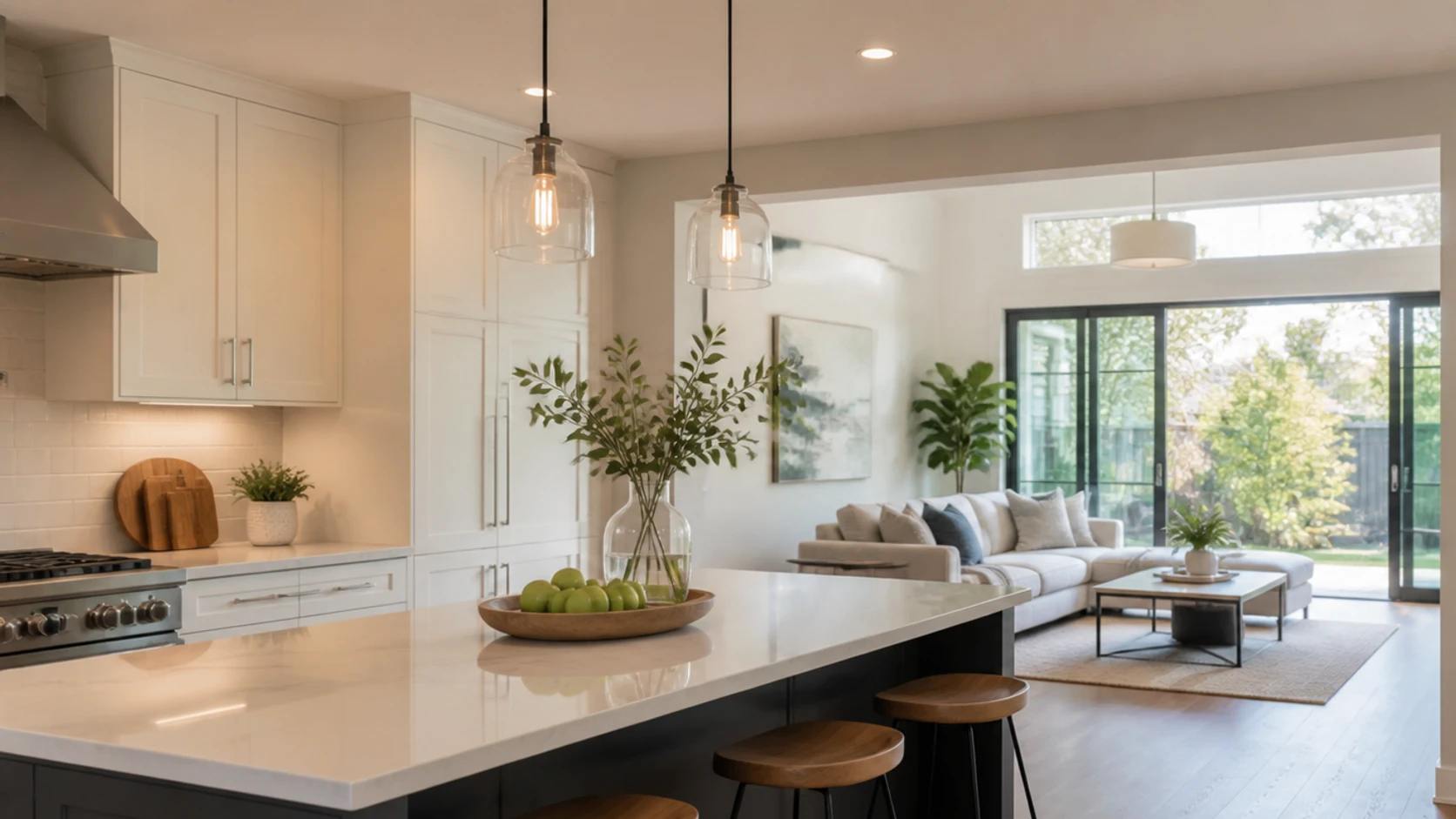
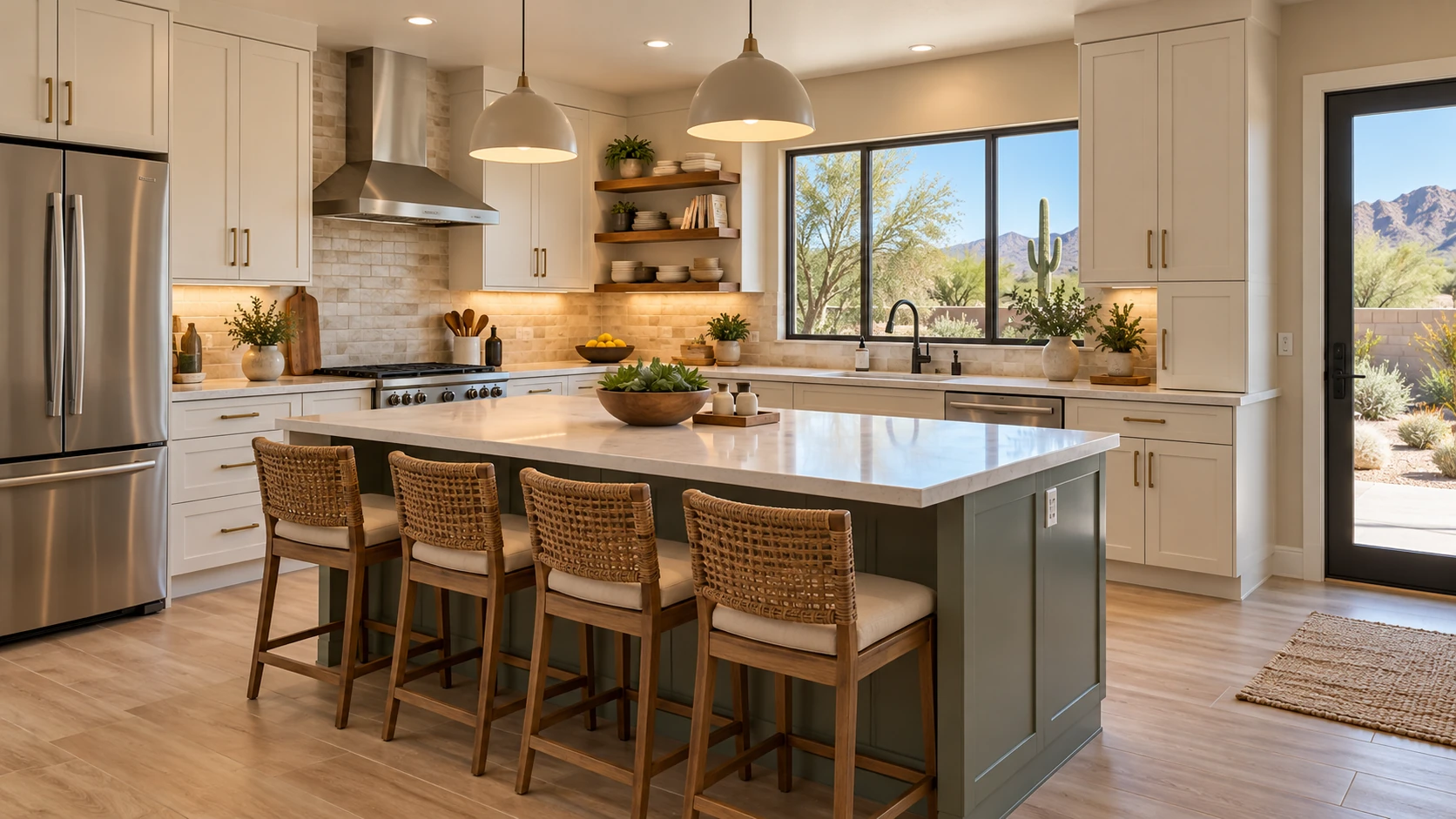
A kitchen may need more storage.
A bathroom may benefit from new finishes.
A room may improve with different lighting.
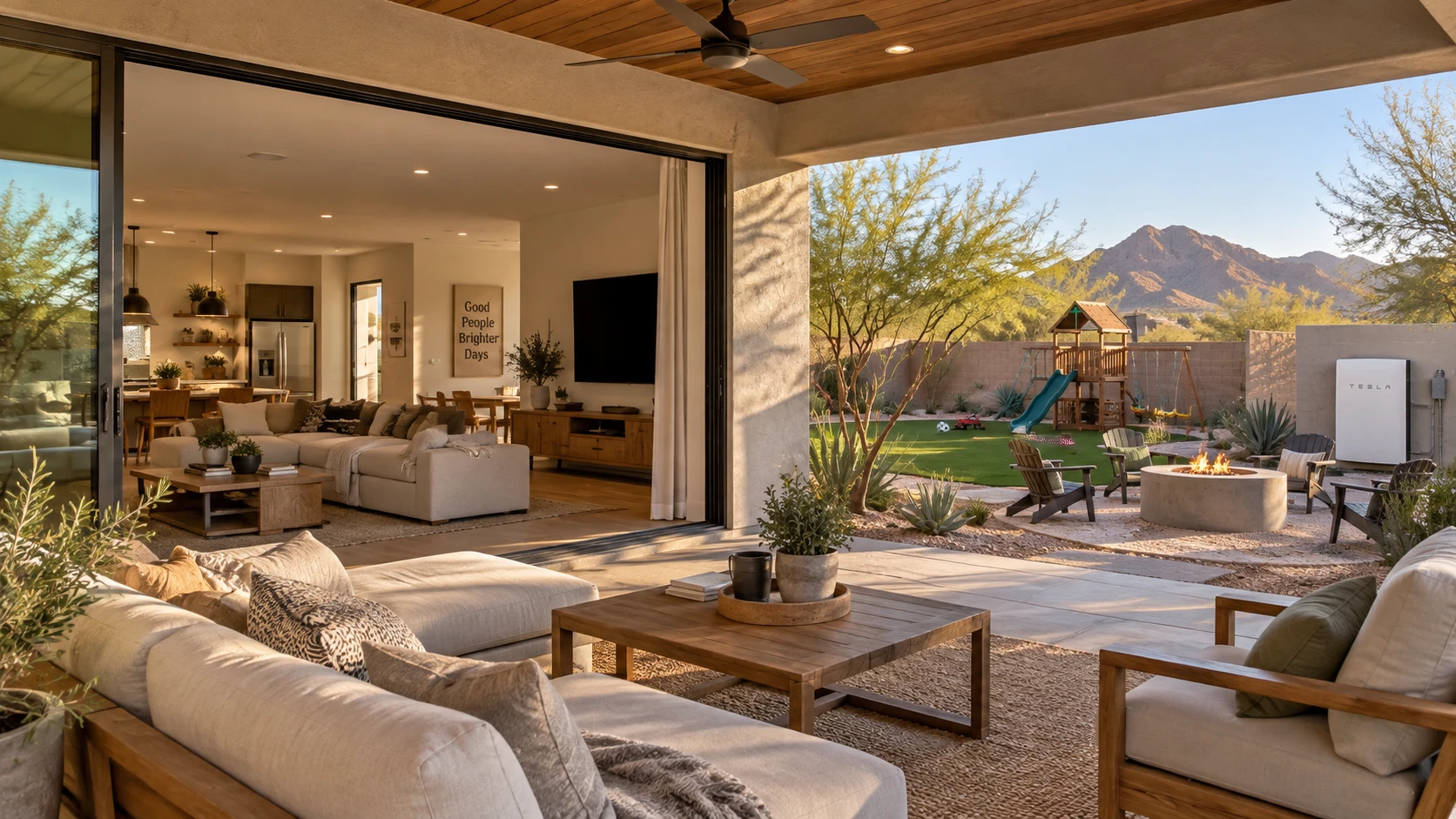
An outdoor area can become much more useful with a few adjustments.
Before you consider transforming the entire house, take a look at which elements are currently limiting how you use it.
Start with how you live in your home
The best improvements usually begin with real needs.
Are you short on storage space?
Are there areas you hardly use?
Could the layout be more practical?
Are any finishes worn out?
Does a space no longer fit your current routine?
These questions can help you identify where it makes sense to start.
Function before trends
Trends can offer inspiration, but an improvement should work for the people who live in the home.
Adding storage, rearranging certain elements, refreshing surfaces, or improving access can have more impact than following a trend that doesn't meet your needs.
A thoughtfully designed space doesn't just look better.
It also makes everyday living better.
Small changes can transform a space
Not every improvement requires extensive construction.
Updating lighting, refreshing floors, changing surfaces, improving cabinets, or focusing on a specific area can give a room a completely different feel.
Even small adjustments to the layout or storage can make a space feel more comfortable and organized.
Sometimes, doing less and doing it better can make a big difference.
Prioritize what really matters
When several areas need improvement, trying to address everything at once can complicate the project.
A good way to begin is to prioritize:
- the spaces you use every day;
- the areas with the most wear;
- the issues that affect comfort or functionality;
- the improvements that make future projects easier;
- the elements that need maintenance.
This helps you organize each stage and make decisions with greater clarity.
Think about what comes next, too
Your home may continue to change over time.
Perhaps a room will serve a new purpose.
You may need more storage.
Your family dynamics may change.
Or you may simply want spaces that are easier to adapt.
Thinking ahead can help you choose improvements that will continue to make sense as the years go by.
Every home offers different opportunities
Not every property needs the same improvements.
In some homes, the kitchen may be the priority.
In others, it may be the bathrooms, floors, outdoor spaces, roof, air conditioning, or other areas of the home.
That's why, before choosing materials or styles, it's worth identifying which changes can make a real improvement in comfort, functionality, and everyday use.
Conclusion
Refreshing your home doesn't always mean starting from scratch.
Sometimes, choosing the right changes can be enough to transform how your home feels and how it works.
Looking at your spaces, identifying what needs attention, and prioritizing improvements with a clear purpose can help you create a home that's more comfortable, functional, and ready for new stages of life.
At Sunny Casita, we help you with remodeling and home improvement projects to transform your living spaces according to the needs of your property in Arizona.